 Chinese (Traditional)
 Chinese (Simplified)
 English (UK)
Hong Kong Fiduciary Association Participates in Baker Tilly Tax and Budget Seminar
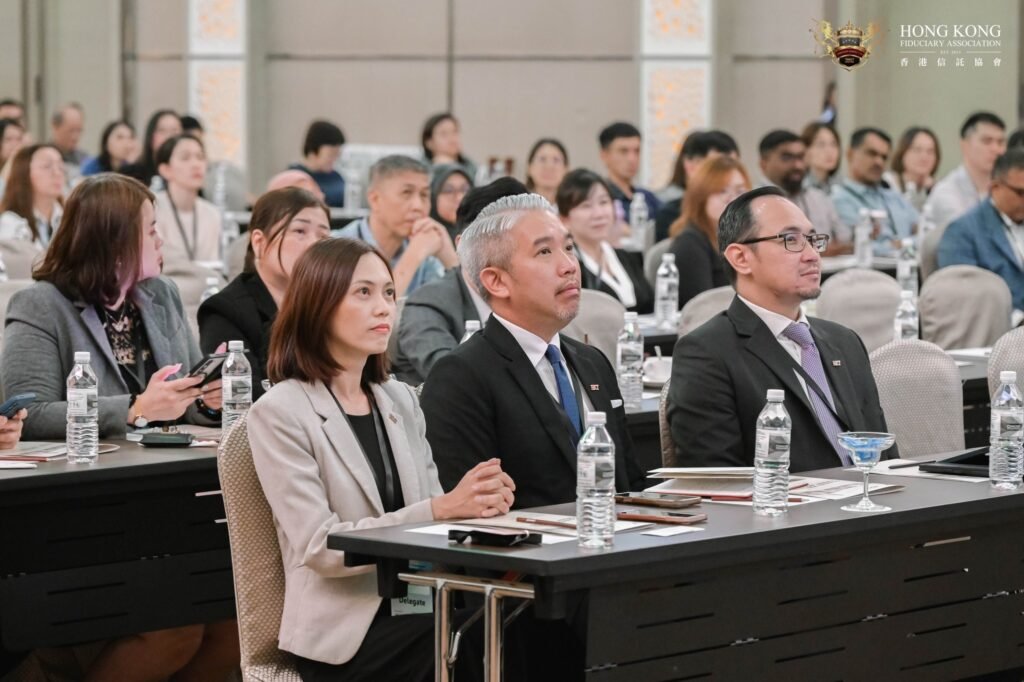
The Hong Kong Fiduciary Association was delighted to be invited to the Baker Tilly Tax & Budget Seminar and proud to support the event as its main sponsor. The seminar brought together leading industry experts to discuss the key highlights of the 2026 Budget, emerging trends in transfer pricing, and the latest legal developments. At the event, Mr. Melvin Mui, Chief Executive Officer of Hong Kong Trust Capital Management Limited, was invited as a guest speaker. He shared his professional insights on the practical applications and future outlook of Hong Kong trusts in cross-border tax optimisation and wealth structuring, which was met with an enthusiastic response from the audience. We extend our sincere gratitude to Baker Tilly Monteiro Heng PLT for their kind invitation and thoughtful organisation of this meaningful seminar. The event provided a valuable platform for professional exchange and knowledge sharing, further strengthening collaboration between the tax and trust sectors.
Hong Kong Fiduciary Association Invited to Attend the 35th Anniversary Commemoration of the Hong Kong Basic Law
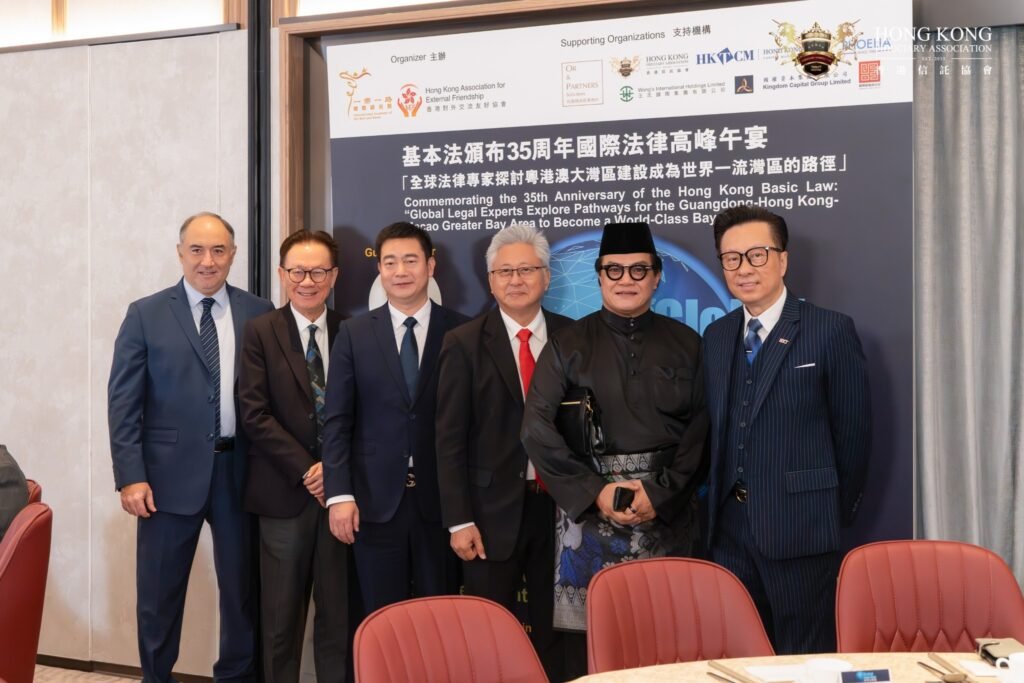
On 20 October 2025, coinciding with the 35th anniversary of the promulgation of the Basic Law of the Hong Kong Special Administrative Region (hereinafter referred to as the Basic Law), “ Global Legal Meet to Commemorate the 35th Anniversary of the Hong Kong Basic Law”was grandly convened in Hong Kong, gathering leading legal minds around the globe. As one of the supporting institutions for this prestigious event, Hong Kong Fiduciary Association Limited (HKFA) was honoured to join leading legal experts and business representatives from across the globe to collectively explore new pathways for the rule of law and international development within the Guangdong-Hong Kong-Macao Greater Bay Area (hereinafter referred to as Greater Bay Area). 1. The Cornerstone of the Rule of Law: “Laying a Solid Foundation” for Greater Bay Area The successful implementation of the Basic Law has laid a solid constitutional foundation for Hong Kong’s sustained prosperity and stability over the past thirty five years. It is precisely for this reason that with its well-established common law system, independent judiciary, and open business environment, Hong Kong has successfully served as a vital bridge connecting the Chinese Mainland with international markets. This summit holds extraordinary significance, serving not only as a tribute to the successful implementation of the Basic Law, but also as a forward-looking forum centred on the core theme of “The Rule of Law and International Development in the Guangdong-Hong Kong-Macao Greater Bay Area”. Amidst profound shifts in the global economic landscape, participants primarily focused on how Hong Kong’s unique legal and financial strengths can empower more Chinese enterprises to “go global” and steadily explore the vast markets under the Belt and Road Initiative. 2. Industry Insights: Dialogue on Legal Synergy and Financial Innovation As one of the core professional bodies within Hong Kong’s trust industry, HKFA remains steadfast in its commitment to advancing the specialisation, internationalisation and institutionalisation of the sector. At this summit forum, Mr. Melvin Mui, Chief Executive Officer of Hong Kong Trust Capital Management Limited, was invited to attend. He engaged in in-depth discussions with numerous legal and financial sector experts on the prospects and challenges echoing the theme of “Legal Synergy and Financial Innovation in the Guangdong-Hong Kong-Macao Greater Bay Area”, injecting fresh perspectives and inspiration into regional collaboration and industry innovation. 3. Conclusion This forum served not only as a high-end exchange of legal ideas, but also as a collaborative opportunity for convergence across academia, industry, research and commerce. Through in-depth engagement with expert representatives from diverse jurisdictions and sectors, HKFA has further strengthened its ties with the international legal community, accumulating invaluable experience for the future innovation and development of cross-border trust services. Looking ahead, HKFA will continue to steadfastly uphold its founding principle of “building trust through integrity and grounding practice in law”. We will actively foster synergistic innovation between Hong Kong’s trust industry and legal, financial, and other sectors, thereby bolstering Hong Kong’s position as an international wealth management centre. Concurrently, we will deepen cooperation with the Greater Bay Area and regions along the Belt and Road Initiative, while jointly exploring forward-looking pathways for legal and financial integration. This will contribute professional expertise to regional economic prosperity and sustainable development, forging a more open and mutually beneficial future for Hong Kong and the Greater Bay Area.
“A Decade of Trust • Building the Future Together”—10th Anniversary Private Gala Dinner & Global Trust Summit 2025 Concluded Successfully
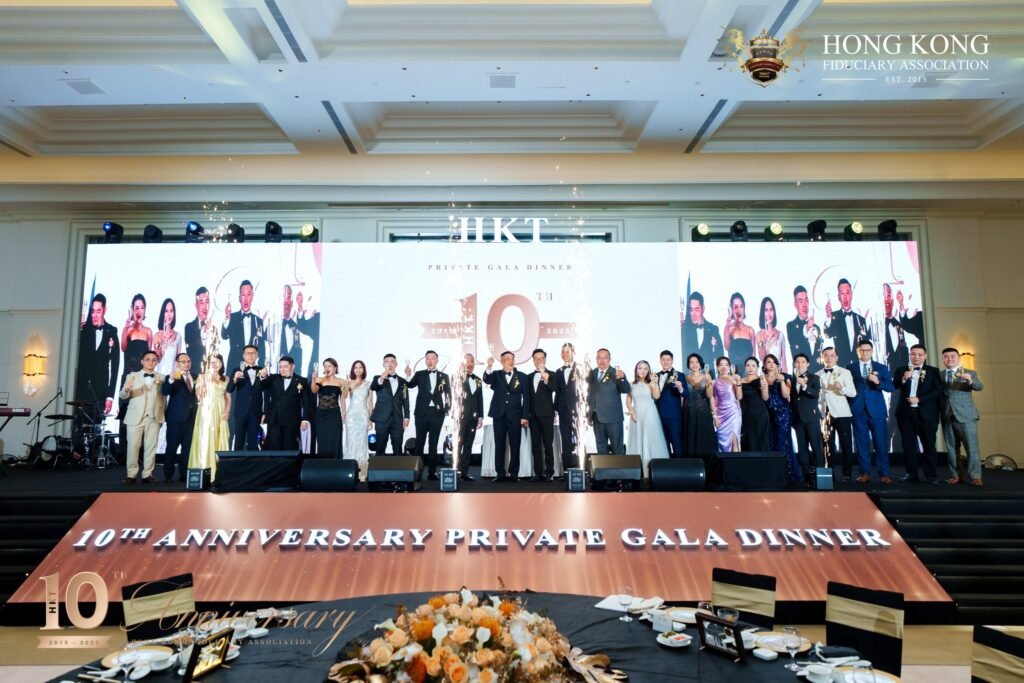
On 10 October 2025, 10th Anniversary Private Gala Dinner & Global Trust Summit 2025 was grandly held in Kuala Lumpur, Malaysia. This prestigious event brought together political and business leaders, trust industry experts, and representatives of high-net-worth (HNW) clients from Hong Kong, the Asia-Pacific and the Middle East regions. Together, we celebrated the Association’s decade of significant achievements while further laying out our ambitious blueprint for future global expansion. Venue for 10th Anniversary Private Gala Dinner & Global Trust Summit 2025 Distinguished guests in attendance included Mr. Cyril Yeung, Honorary President of Hong Kong Fiduciary Association Limited & Founder of Hong Kong Trust Capital Management Limited, Mr. Melvin Mui, CEO of Hong Kong Trust Capital Management Limited, Mr. Lawrence Chan, President of Hong Kong Fiduciary Association Limited, Mr. Mong Chung Chee, President of Hong Kong Fiduciary Association Limited in Asia Pacific Region, and Mr. Keith Chan, Business Development Director of Inheritance Asset Management Limited, etc. The event also welcomed representatives from many internationally renowned institutions including Masryef Advisory Sdn. Bhd., Deacons, Trident Fund Service (HK) Limited, and Emerald Capital CPA &Co. I. A Decade of Dedication: Establishing Industry Standards During the opening ceremony, Mr. Cyril Yeung, Honorary President of Hong Kong Fiduciary Association Limited & Founder of Hong Kong Trust Capital Management Limited, delivered an address. He noted that the Association had evolved from its original vision of “assisting the elderly in properly managing wealth inheritance” into a comprehensive trust service platform that is specialised and internationally renowned through a decade of dedication. “Witnessing that clients can confidently navigate asset and inheritance challenges through our trust arrangements remains our greatest and enduring satisfaction over these ten years,” remarked Mr. Yeung. Mr. Cyril Yeung, Honorary President of Hong Kong Fiduciary Association Limited & Founder of Hong Kong Trust Capital Management Limited Subsequently, Mr. Melvin Mui, CEO of Hong Kong Trust Capital Management Limited, and Mr. Mong Chung Chee, President of Hong Kong Fiduciary Association Limited in Asia Pacific Region, took to the stage to deliver their respective addresses. Mr. Melvin Mui noted that Mr. Cyril Yeung ‘s vision of “popularising trust services while benefiting the mass market” remains the cornerstone of the company’s development. It is the conviction that has enabled us to accurately target the mass market, the middle class and emerging affluent populations neglected by banks and major trust companies a decade ago, thus achieving its present success. Looking ahead to the next decade, Mr. Melvin Mui announced that we would focus on strategic upgrades in the following core areas: Upgrading Core Trust Business : We will continuously improve our core businesses in domestic and offshore trusts, leveraging the dual Hong Kong-Switzerland jurisdictional framework while speeding up trust license applications in Malaysia and Dubai, so as to establish a global asset protection network. Elevating Asset Management Capabilities: Building upon our asset management company’s existing SFC Type 4 (Securities Advisory) and Type 9 (Asset Management) licenses, we will continue to actively expand the service scopes while concurrently advancing virtual asset custody services. Building A Professional Services Ecosystems: Through Global Digital Custody and HKTCM Family Office operational services, etc., we are ready to provide one-stop solutions encompassing Real-World Assets (RWA), Web3 and family governance. Diversified Advisory Services and Philanthropy: We are expanding into pre-IPO advisory, legal and tax services, and insurance brokerage, etc. Furthermore, we will establish a charitable foundation and create scholarships to encourage young talent to pursue their aspirations in technology, humanities, and other fields, thereby creating shared social value for both the enterprise and our clients. Mr. Melvin Mui, CEO of Hong Kong Trust Capital Management Limited Reflecting on the Association’s decade-long journey towards internationalisation, Mr. Mong Chung Chee noted that “ten years ago, we set out from Hong Kong, in pursuit of our founding principles of ‘Client-oriented Service and Professional Governance’ to deliver reliable and forward-thinking solutions in trust and wealth management. Today, we have evolved from an office focused on the Chinese Mainland market into a regional specialist institution serving clients across Asia, the Middle East and Europe.” Standing at this fresh start of its 10th anniversary, he stated that Hong Kong Fiduciary Association Limited will embrace new challenges with a growth mindset. Meanwhile, we will further uphold our core values of pursuing professionalism, reliability and attentive care, delivering more forward-thinking wealth management and family governance solutions to global clients, thereby writing a fresh chapter for the next decade. Mr. Mong Chung Chee, President of Hong Kong Fiduciary Association Limited in Asia Pacific Region II. International Collaboration: Establishing a Global Trust Alliance Over the past decade, Hong Kong Fiduciary Association Limited has actively promoted international collaboration, building a global trust network and forging long-term strategic partnerships with numerous renowned institutions. To express gratitude for partners’ steadfast support, the event specially included a grand awards ceremony, in which Hong Kong Fiduciary Association Limited presented Certificates of Special Recognition to four prestigious institutions for their long-term collaboration relationships, including Masryef Advisory Sdn. Bhd., Trident Fund Services(HK)Limited, Emerald Capital CPA &Co., and Deacons, in recognition of their outstanding contributions to advancing industry innovation and delivering global client services. Award Presentation Ceremony to Distinguished Institutions by Hong Kong Fiduciary Association Limited Mr. Taylor Hui, Partner of Deacons, delivered an insightful address on behalf of the law firm, reflecting on collaboration between both of us while demonstrating the broader horizon for future cooperation. Mr. Taylor Hui, Partner of Deacons Furthermore, during this Summit, the Hong Kong Fiduciary Association Limited jointly held a grand Certificate Presentation Ceremony of Shariah Compliance with Masryef Advisory Sdn. Bhd., a leading Islamic finance consultancy firm. In addition, the Certificate was presented to the Association’s strategic partner, Inheritance Asset Management Limited. This initiative fully demonstrated that the issuance of Hong Kong’s first Shariah-compliant open-ended fund company, Hong Kong Islamic Amanah OFC, launched by Inheritance Asset Management Limited, fully comply with the stringent requirements of the Islamic Shariah in terms of key aspects such as mode of operation, investment of fund, and distribution of
The Privacy Gap Created by Global Banking Transparency

Transparency Is Now the Standard Global banking today is built on transparency. Institutions collect more data, share more information internally, and evaluate clients through automated systems that leave very little private. For high-net-worth families, this creates a visibility problem. Personal banking habits, transfers, balances, and investments produce a profile that is stored, assessed, and monitored across departments. This is not about wrongdoing. Transparency systems are designed to protect financial institutions. However, the by-product is that families lose confidentiality. They face increased scrutiny, fragmented interpretations of their activity, and higher exposure across jurisdictions. Understanding how global banking transparency affects privacy is now essential for anyone with a significant international footprint. Trust structures offer a way to keep family affairs private while maintaining compliance, creating a boundary between personal identity and the visibility created by modern banking systems. How Banking Transparency Works in the Modern System The privacy families enjoyed twenty years ago no longer exists. Banking transparency today operates through interconnected systems designed to detect unusual behaviour, manage risk, and support internal oversight. 1. Internal data sharing across teams Banks share client information between multiple departments: compliance risk management relationship management transaction monitoring onboarding teams cross-border review teams This creates a wide circle of visibility. 2. Automated monitoring and risk scoring Profiles are constantly analysed. Systems track: large transfers activity across currencies repetitive international movements links between related accounts source of funds patterns These algorithms do not understand context. A simple transfer or investment can be flagged without any issue on the client’s side. 3. Interbank queries When opening accounts in new jurisdictions, foreign banks request: profile history risk notes compliance flags account behaviour summaries The first bank’s internal view becomes the next bank’s onboarding reference. 4. Staff access to client files Within banks, more employees have access to more client information than most families expect. As wealth increases, visibility increases with it. This system is efficient for institutions, but it creates a privacy gap for families who want control over their personal information. Why High-Net-Worth Families Face a Larger Privacy Gap As wealth grows, banking visibility naturally expands. The more accounts a family holds, the more internal checks they trigger, even for routine activity. 1. Higher balances attract more reviews Large holdings are automatically flagged for regular monitoring. Banks label these accounts as higher priority from a compliance standpoint. 2. International transfers create additional visibility Cross-border movements must be checked, documented, and justified. Transactions that appear normal to clients can require multiple levels of internal approval. 3. Fragmented accounts create fragmented visibility If a family has accounts in Hong Kong, Dubai, Singapore, and London, each bank forms its own assessment. Each institution creates its own internal narrative about the family’s profile. 4. Banks rely on personal identity as the central reference point When wealth is held personally, the individual becomes the anchor for every review. This exposes the entire financial life to internal systems. Families often only discover these visibility issues when banks request detailed explanations for transactions that were never sensitive in the first place. The Limits of Personal Banking for Global Families Personal banking works when wealth is simple. Once families expand into multiple jurisdictions, sectors, and generational planning, personal ownership creates a series of weaknesses. 1. Repeated documentation requests Families are frequently asked to explain: source of funds purpose of transfers relationships with counterparties reasons for cross-border movements These requests become repetitive and intrusive. 2. Inconsistent treatment across jurisdictions A transfer viewed as normal in Dubai may be flagged in Singapore. A routine investment in London may trigger a risk review in Hong Kong. 3. Account freezes caused by administrative issues Sometimes banks freeze or hold transactions while they complete checks. This is not intentional harm, but it disrupts operations and causes unnecessary stress. 4. Increased reliance on personal profile and behaviour Everything becomes linked to the account holder. This creates exposure not only to scrutiny but also to interpretation by people who do not understand the full context of the family’s wealth. Global families therefore reach a point where personal banking alone cannot support their privacy or protect their information. How Trust Structures Reduce the Privacy Gap Trusts replace personal visibility with structured governance. Instead of accounts being held in the individual’s name, they are held in the name of the trustee. Banks interact with the trustee as the account holder, not the family member. This creates several advantages. 1. Trustees shield personal identity Banks see: a professional trustee a regulated corporate entity a consistent governance structure They do not see the personal daily profile of the settlor or beneficiaries. 2. Disclosure becomes controlled and consistent The trustee manages all documentation. Personal information is only shared when necessary and always in a structured manner. 3. Reduced behavioural visibility With personal accounts, the bank sees every action and movement. With trust-led accounts, the trustee handles decisions within the trust framework, so the bank sees: planned distributions governed transfers structured investments These appear stable and predictable. 4. Professional oversight reduces misinterpretation Banks prefer interacting with trustees because professional trustees present complete, clear documentation that reduces compliance uncertainty. This shifts banking visibility away from personal identity and towards structured governance. Practical Situations Where Transparency Exposes Families 1. Relocation onboarding When a family moves to a new country, banks request extensive records. Holding assets through a trust reduces the personal data required. 2. Corporate due diligence When families invest in businesses or large projects, counterparties often request financial profiles. Personal assets become visible unless held under trust. 3. Interbank queries during new account openings Banks ask one another for background on new clients. Personal accounts expose the full history. Trust accounts limit the view. 4. Large international transfers Without trust structures, personal transfers trigger repeated explanations that trustees can manage instead. These situations show how transparency can create unwanted visibility even for simple actions. Privacy Without Secrecy Trusts do not remove compliance obligations. They reduce unnecessary personal visibility. What stays fully compliant source of funds verification AML checks KYC
PEP Risk and Modern Wealth: How Trusts Add a Layer of Protection

PEP Status and Rising Complexity Families today can become politically exposed without ever seeking the label. A promotion, an appointment, a government-linked business role, or even marriage can place individuals into a category that banks scrutinise at a much deeper level. This change creates a shift in how institutions treat them, how transactions are monitored, and how their wealth is perceived. Modern families now operate across borders, hold international accounts, and move jurisdictions frequently. Each move adds a new review. Banks, regulators, and financial intermediaries take fewer risks. As a result, confidentiality and structural protection have become essential rather than optional. Understanding PEP risk trust protection is therefore not about avoiding compliance. It is about ensuring that families do not suffer unnecessary visibility, friction, or disruption simply because their personal circumstances changed. What PEP Classification Actually Means Today A politically exposed person is not limited to ministers or heads of state. The definition now includes: senior government employees executives at state-owned enterprises military officers judges and prosecutors board members of government-linked companies family members or close associates of any of the above PEP classification is broad, and in the eyes of financial institutions, risk increases exponentially once the label is attached. How banks respond to PEP status Banks intensify their scrutiny in several ways: Enhanced due diligence at onboarding. Regular monitoring of all transactions and holdings. Requests for documented sources of funds even after accounts are established. Internal risk scoring that impacts how staff treat the relationship. Cross-border reviews when opening accounts in multiple jurisdictions. For families who value privacy, this visibility can feel intrusive and unmanageable. The Risk of Holding Assets in Personal Name as a PEP The moment a person becomes a PEP, everything held in their personal name becomes linked to their status. This includes: cash accounts investment accounts company shares real estate digital assets family business holdings Why personal ownership becomes a problem Personal ownership creates these vulnerabilities: Every transaction becomes more visible through compliance filters. Accounts can be flagged or slowed down for additional checks. Bank staff gain deeper access to profiles, spending, and transfers. Any public event involving the PEP can trigger internal reviews. Cross-border transfers become higher risk, requiring repeated explanations. This exposure affects not only the individual but also their spouse, children, and extended family. How Trusts Introduce a Protective Layer for PEP Families A trust separates personal identity from asset ownership. The trustee, not the individual, becomes the legal owner of assets. Banks interact with the trustee rather than the PEP for any trust-related accounts. Why this matters The PEP’s personal name does not appear as the account holder. Wealth is managed under a predefined structure rather than personal discretion. Banks see a professional trustee, not a politically exposed individual. Compliance reviews become consistent, predictable, and less personal. Privacy without secrecy This is not about hiding assets. It is about presenting wealth through controlled governance, reducing unnecessary exposure while fulfilling all regulatory requirements. The trust becomes a buffer that protects families from the volatility of political cycles, public roles, or external assumptions about influence. Cross-Border PEP Challenges and How Trusts Stabilise Them Many families classified as PEPs are internationally mobile. They relocate for lifestyle, education, or business reasons. Every relocation triggers new bank reviews and new risk assessments. Jurisdictions that treat PEP risk differently UAE Hong Kong Singapore United Kingdom European Union Offshore financial centres Each region has its own definition, monitoring expectations, and tolerance levels. How trusts create cross-border consistency A Hong Kong trust provides: one governing law across all jurisdictions stable structure that does not change when the family relocates ability for trustees to manage onboarding in multiple countries reduced need for personal re-verification every time a move occurs Without a trust, every account opening becomes a repeated interview about the PEP status, creating inconvenience and visibility the family does not want. Practical Situations Where Trusts Mitigate PEP Exposure 1. Indirect PEP status through family members Many individuals become PEPs simply because: a parent is appointed to a public role a spouse enters government service a sibling joins a state-linked enterprise A trust prevents their unrelated assets from being lumped into the visibility created by others. 2. Assets held in jurisdictions with strict public registries Some countries require: shareholder disclosures director visibility property title data corporate filings A trust shields the individual’s name from these records. 3. Banking relationships in multiple countries Without trusts: each bank in each country runs its own PEP review explanations must be repeated staff turnover creates repeated questions compliance inconsistencies arise A trust streamlines onboarding under the trustee’s profile instead. 4. Reputational events When a PEP experiences: a public investigation a political controversy a shift in public sentiment Assets held directly may become exposed to internal reviews, even if unrelated to the event.A trust prevents the wealth structure from being inadvertently dragged into scrutiny. How Trusts Manage Disclosure Responsibly Trusts do not eliminate compliance obligations. They organise them. Key benefits Trustees handle all formal disclosures. Personal data is disclosed only on a need-to-know basis. Banks receive information through a structured framework. Beneficiaries do not have accounts in their own names until distributions occur. This avoids accidental over-disclosure while staying aligned with global AML standards. Why Independent Trustees Strengthen Protection A trust only functions well when the trustee is independent and professionally regulated. Advantages of independent trustees they reduce conflicts they maintain consistent documentation they communicate formally with banks they manage global onboarding they outlast political cycles A strong trustee becomes the family’s shield from unnecessary exposure, especially when PEP status fluctuates over time. Creating Stability When Circumstances Change PEP risk is not static. It evolves as careers change, families expand, jurisdictions tighten rules, or global politics shift. A trust provides continuity regardless of external conditions. Long-term advantages children can receive benefits without becoming front-facing owners assets remain insulated from short-term political changes distributions can be structured in a private, predictable manner the trust’s governance adapts without exposing the family A trust is
Trustee Roles in Modern Wealth Structures Explained

Trustees at the Centre of Wealth Planning Every trust is only as strong as the trustee who manages it. Trustees stand at the heart of wealth structures, transforming a trust deed into a living framework that protects assets, governs succession, and resolves disputes. For high-net-worth and ultra-high-net-worth families, trustees are not only custodians but also strategic partners. Understanding trustee roles in wealth structures is therefore critical. The role is far more complex than safekeeping assets. It involves legal responsibilities, fiduciary duties, coordination of advisors, and decision-making across multiple jurisdictions. Legal and Fiduciary Responsibilities A trustee is bound by fiduciary duty. This means the trustee must always act in the best interests of the beneficiaries, regardless of personal interests. Breaching fiduciary duty can result in liability or removal. Core legal responsibilities include: Safeguarding trust property: ensuring all assets remain clearly within the trust. Executing the trust deed: following terms exactly as written. Impartiality: treating all beneficiaries fairly, even when their interests differ. Accounting: keeping accurate records and reporting transparently. In Hong Kong, trustees are regulated under the Trustee Ordinance and, if corporate, the Trust and Company Service Provider (TCSP) licensing regime. This ensures that they operate with accountability and professionalism. Coordinating Advisors and Managing Assets Trustees rarely act in isolation. Wealth planning involves banks, investment managers, accountants, tax advisors, and legal counsel. The trustee sits at the centre of this network, ensuring coordination and consistency. Examples of coordination include: Appointing and monitoring investment managers. Working with accountants to prepare multi-jurisdictional filings. Engaging lawyers to navigate regulatory issues. Liaising with banks to maintain accounts securely. By centralising control, trustees reduce fragmentation and align all advisors with the settlor’s objectives. Managing Cross-Border Complexity Global families often hold assets in multiple countries. Each jurisdiction has its own laws on taxation, inheritance, and property rights. Trustees must design structures that avoid conflicts and ensure enforceability across borders. This requires: Understanding forced heirship rules in civil law countries. Navigating probate in jurisdictions where trusts are less common. Mitigating double taxation by using treaties and structuring layers. Balancing regulatory compliance with confidentiality. The ability to manage cross-border complexity is one of the main reasons families choose professional trustees rather than individual relatives. Trustees as Guardians Against Family Disputes Even the wealthiest families experience disagreements. Sibling rivalries, divorces, or contested inheritances can threaten stability. Trustees act as neutral arbiters, applying the trust deed impartially to prevent disputes from escalating. Examples of dispute management: Enforcing staged distributions when heirs demand lump sums. Preventing misuse of assets by withholding discretionary payments. Mediating between beneficiaries while keeping legal obligations clear. Trustees bring objectivity, ensuring the trust functions even when family harmony breaks down. Safeguarding Wealth Across Generations Trustees ensure that wealth is not only preserved but also directed according to long-term intentions. Unlike a will, which activates once, a trust can last across generations. Trustees enforce provisions for decades, ensuring continuity that aligns with the settlor’s vision. For example: Funding education for future generations. Protecting family businesses by holding shares under controlled governance. Allocating resources for philanthropy in perpetuity. The trustee role therefore extends beyond administration. It is about carrying forward a legacy. Trustees and Digital Assets The rise of crypto and digital wealth has expanded trustee responsibilities. Digital assets present unique challenges: security of private keys, storage of NFTs, or staking of tokens. Trustees must adapt traditional duties to these modern realities. Key considerations include: Custody arrangements: using institutional-grade wallets. Access protocols: defining multi-signature approval processes. Succession triggers: enabling access after inactivity or incapacity. Regulatory uncertainty: navigating jurisdictions that have yet to define digital ownership laws. Families increasingly demand trustees who understand both traditional finance and digital ecosystems. Corporate Trustees vs Individual Trustees Another decision families face is whether to appoint an individual trustee (such as a family member) or a corporate trustee. Individual trustees may provide personal knowledge but risk bias and lack professional expertise. Corporate trustees, by contrast, bring infrastructure, licensing, and continuity, ensuring professional management that outlives any single person. For international families, the trend has shifted strongly toward licensed corporate trustees for reliability and impartiality. Choosing the Right Trustee The choice of trustee is among the most important decisions in wealth planning. Criteria to consider include: Experience: proven ability to manage complex, cross-border assets. Independence: ability to act impartially between beneficiaries. Infrastructure: access to advisors, systems, and compliance support. Regulation: subject to licensing and professional oversight. A poorly chosen trustee can undermine the entire purpose of a trust. A strong trustee ensures the plan survives challenges. The Evolving Role of Trustees The trustee role has shifted over time. Trustees are no longer passive custodians. They are expected to act strategically, manage diverse asset classes, and adapt to global regulatory change. Modern trustees must be: Legally knowledgeable. Financially sophisticated. Digitally competent. Globally connected. This evolution reflects the growing complexity of wealth itself. Trustees as Strategic Partners For families, the trustee is not only a fiduciary but also a strategic partner. They protect wealth, enforce succession, and maintain neutrality in disputes. In an era of cross-border mobility and digital innovation, their role is more important than ever. Choosing the right trustee determines whether a wealth structure will endure, adapt, and protect a family legacy for generations.
Confidentiality in Wealth Planning: Why Trusts Matter

Privacy as a Core Concern For wealthy families, privacy has become a scarce commodity. The global push for transparency in banking, taxation, and corporate structures means that fewer assets remain outside public view. Yet confidentiality in wealth planning is not about secrecy, it is about safeguarding families from unnecessary exposure, disputes, and risks. Trusts offer one of the most effective ways to preserve confidentiality while still complying with international regulations. Unlike public probate processes or corporate filings, trusts operate under private deeds and are not subject to public registration in Hong Kong. For families navigating multiple jurisdictions, this makes a trust an essential anchor of confidentiality. The Risks of Exposure in Probate and Inheritance When an estate passes through probate, the details of the assets, beneficiaries, and values are often made public. In some jurisdictions, probate files can be accessed by journalists, creditors, or competing family members. This exposure creates three risks: Reputational risk: Large estates attract unwanted attention or media coverage. Legal risk: Once values are public, claims and challenges are easier to file. Family risk: Beneficiaries may become targets of disputes or personal demands. For families with global visibility — entrepreneurs, political figures, or cross-border investors — this level of exposure is unacceptable. How Trusts Provide Confidentiality By transferring assets into a trust during the settlor’s lifetime, the trust becomes the legal owner. On the death of the settlor, there is no estate process for those assets, and therefore no public record. Distribution occurs privately, governed by the trust deed and administered by the trustee. Confidentiality is achieved through: No public registration: Hong Kong does not maintain a public trust register. Private deeds: Terms of the trust are only known to the parties involved. Bypassing probate: Assets do not go through court-administered processes. This level of discretion ensures that family affairs remain private while assets pass seamlessly to beneficiaries. Confidentiality in Cross-Border Contexts For international families, confidentiality cannot be limited to one jurisdiction. A family with assets in Europe, Asia, and the Middle East faces exposure in each location. By consolidating assets into a trust governed under Hong Kong law, families can apply one consistent set of private rules. This is particularly valuable in cross-border contexts where: Forced heirship rules could otherwise expose and dictate distributions. Local courts may require public filings for foreign-held property. Probate delays risk revealing sensitive information to competitors or extended relatives. A Hong Kong trust acts as a shield, ensuring confidentiality even when wealth spans continents. Confidentiality Versus Secrecy It is important to draw the distinction between legitimate confidentiality and unlawful secrecy. Trusts in Hong Kong operate under the Trust and Company Service Provider (TCSP) licensing regime. Trustees must comply with anti-money laundering (AML) and know-your-client (KYC) requirements. This means that while the structure remains private to outsiders, it is fully transparent to regulators and banking institutions. Families gain privacy without breaching international compliance standards. In practice, this ensures that: Trustees verify all parties and assets. Regulators can audit compliance. Beneficiaries still receive full legal protection. Trusts therefore provide a balanced solution: private wealth management that does not compromise regulatory obligations. Real Examples of Confidentiality Benefits Example 1: Business Succession A regional entrepreneur holds controlling shares in a private company. If these pass through probate, details of ownership could become public, risking competitive disadvantage. By transferring the shares into a trust, succession occurs privately, shielding both the family and the business. Example 2: Real Estate Holdings Families with property in multiple jurisdictions face public filings at death. A trust allows these properties to pass privately, avoiding court involvement and protecting family privacy. Example 3: Philanthropy and Discretion Some families use trusts to fund philanthropic causes. By doing so confidentially, they can support charities without exposing beneficiaries or inviting scrutiny of personal motives. Confidentiality Beyond Death Confidentiality is not only relevant after death. Trusts also shield information during the settlor’s lifetime: Divorce or family disputes: Assets in trust are harder to target. Political exposure: Families in public roles can keep financial affairs discreet. Generational disputes: Trustees can maintain confidentiality even if heirs disagree. These protections matter for families whose reputation and safety depend on keeping financial details private. Misconceptions About Confidentiality Some critics argue that confidentiality encourages abuse. In reality, trusts in regulated jurisdictions like Hong Kong provide confidentiality without secrecy. The difference lies in governance: Secrecy hides assets unlawfully. Confidentiality protects families while ensuring compliance. This distinction reassures both regulators and families that trusts serve legitimate planning goals. Safeguarding Privacy Across Generations The ultimate value of confidentiality in wealth planning is generational. Families cannot predict what disputes, political shifts, or global crises may arise decades into the future. By structuring assets in a trust, they ensure that wealth is managed and transferred without public scrutiny or unnecessary risk. Trusts as Anchors of Discretion Confidentiality is not about hiding wealth. It is about protecting families, beneficiaries, and legacies from exposure that serves no purpose. Trusts allow families to plan confidently, knowing that sensitive financial details remain private while compliance obligations are fully met. For globally mobile families, trusts are not only financial tools but also anchors of discretion — balancing privacy with security across generations.
Bank Account vs Trust Account: Key Differences Explained

Why This Distinction Matters For global families, the way wealth is held and managed is as important as the assets themselves. At first glance, a bank account and a trust account may look similar as both involve a financial institution safeguarding money. Yet in reality, the differences between the two determine whether wealth is easily accessed, transferred across generations, or left vulnerable to disputes and legal challenges. For high-net-worth and ultra-high-net-worth individuals (HNWIs and UHNWIs), especially those with assets spread across multiple jurisdictions, knowing the distinction between a bank account vs trust account is a matter of long-term security. The comparison is not simply academic; it defines how your wealth will be protected, controlled, and passed on. What a Bank Account Really Represents A bank account is one of the most familiar financial tools. It is a direct contractual relationship between a client (an individual or a company) and a bank. The bank agrees to hold the depositor’s money and provide services such as payments, withdrawals, and transfers. Key features include: Ownership remains with the individual or company. Control rests entirely with the account holder. Succession follows the inheritance laws of the jurisdiction where the account holder is domiciled. Recognition is universal; every financial system understands what a bank account is. Bank accounts provide liquidity, convenience, and access to global payment systems. They are indispensable for day-to-day living and business operations. However, their simplicity is also their weakness. They provide no built-in protection against probate delays, forced heirship claims, or external challenges. What Makes a Trust Account Different A trust account exists because of a trust structure. A trust is a legal arrangement where a settlor transfers assets to a trustee, who must manage those assets for the benefit of specified beneficiaries. When a trust account is opened at a bank, it is opened in the name of the trustee, not the settlor. The trustee controls the account, but only according to the legally binding rules of the trust deed. Key features include: Ownership is vested in the trustee, not the settlor. Control is exercised under fiduciary duty, not personal discretion. Succession is determined by the trust deed, avoiding probate. Enforceability extends across jurisdictions that recognise common law trusts, such as Hong Kong. A trust account is more than a banking tool. It is a legal mechanism that anchors succession planning, asset protection, and cross-border enforceability. Similarities Between the Two Despite their structural differences, both bank accounts and trust accounts share some common ground: Both rely on regulated financial institutions. Both can hold cash, securities, or investment portfolios. Both allow beneficiaries (directly in the case of bank accounts, indirectly via trustees in trust accounts) to benefit from the assets. However, these similarities are superficial. The distinction lies in how ownership, succession, and protection are handled. Key Differences That Shape Wealth Outcomes The critical contrasts between a bank account vs trust account can be grouped into four dimensions: Ownership Bank account: owned personally or corporately. Trust account: owned by the trustee on behalf of beneficiaries. Succession Bank account: follows local inheritance law and probate. Trust account: bypasses probate, distributing according to the deed. Control Bank account: direct, until death or incapacity. Trust account: indirect, governed by trustee under fiduciary duty. Risk Profile Bank account: exposed to disputes, forced heirship, and freezing orders. Trust account: insulated by the legal shield of the trust. The Limitations of Bank Accounts For everyday use, bank accounts work perfectly well. Problems arise in wealth planning. Consider these risks: Probate delays: On the death of the account holder, accounts are frozen until probate is granted, delaying access for heirs. Forced heirship: In some jurisdictions, such as the UAE, Shariah law may dictate distribution regardless of personal wishes. Disputes: Relatives or creditors can challenge ownership in court. Cross-border confusion: Multiple accounts in different countries may be subject to conflicting laws. For families with significant global exposure, these risks cannot be ignored. The Strengths of Trust Accounts Trust accounts address these vulnerabilities by embedding legal protection: Continuity: The trust survives death or incapacity of the settlor. Clarity: Distribution rules are pre-defined in the trust deed. Protection: Trustees are legally obliged to defend the trust against improper claims. Cross-border resilience: Trusts are widely recognised in common law jurisdictions, providing consistency. Trust accounts do not replace the need for bank accounts, but they provide a shield and structure that ordinary banking cannot. Real-World Scenarios Scenario 1: Liquidity vs Structure A Dubai-based entrepreneur holds multiple bank accounts across Asia and Europe. These accounts give immediate access but no succession planning. By transferring strategic holdings into a Hong Kong trust account, the entrepreneur ensures that upon death, funds flow directly to heirs without delay. Scenario 2: Dispute Protection A family in Hong Kong faces a contested inheritance. Assets in personal bank accounts become frozen in court proceedings. In contrast, trust accounts established years earlier remain untouched, as the trustee continues to manage them independently of the dispute. Scenario 3: International Continuity An expatriate family with children in different countries uses bank accounts for household expenses but places real estate rental income into a trust account. This ensures the income continues to support the children without interruption, regardless of local succession law. Using Bank Accounts and Trust Accounts Together The most effective wealth plans rarely treat the two as substitutes. Instead, they are complementary: Bank accounts provide liquidity for daily transactions, business operations, and short-term access. Trust accounts secure long-term protection, enforceable succession, and insulation from disputes. By combining both, families achieve flexibility without sacrificing continuity. Practical Guidance for International Families When considering how to structure wealth, keep these points in mind: Use bank accounts for accessibility and operations. Establish trust accounts for strategic holdings, inheritance
Using DIFC and Dubai Foundations in Cross-Border Planning
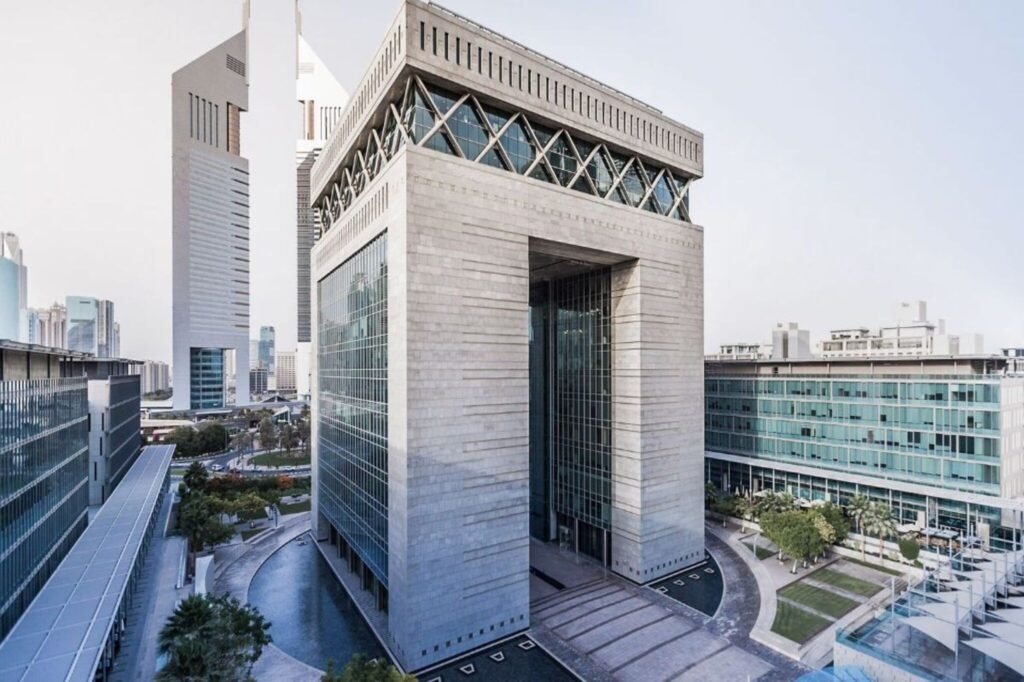
The Role of Dubai Foundations in Wealth Planning Dubai has become an important centre for families seeking to formalise their wealth planning. Among the available structures, Dubai Foundations and DIFC Foundations provide a recognised framework for asset consolidation, family governance, and succession management. These vehicles allow founders to separate personal ownership from control, placing assets under a charter that defines how they should be managed during and beyond the founder’s lifetime. In practice, foundations in the UAE are often used by families who own businesses, property, or other assets located within the region. They offer legitimacy within the local legal system and are recognised by UAE regulators and banks. This makes them a valuable domestic layer of governance, especially in a jurisdiction where default inheritance laws may complicate transfers of wealth. For families considering Dubai foundation cross-border planning, this domestic legitimacy is the first step in structuring. How Dubai and DIFC Foundations Work A Dubai or DIFC Foundation is a legal entity with its own separate personality, distinct from its founder. Assets are transferred into the foundation, and the foundation council is tasked with managing them according to the foundation charter. This structure removes ownership from individuals while maintaining control through governance rules that can guide decisions for decades. Foundations can serve multiple purposes: family governance, philanthropic initiatives, succession planning, or consolidation of shares and properties. Their flexibility and recognition in the UAE have made them increasingly attractive to entrepreneurs and high-net-worth individuals with a domestic footprint. Similarities with Hong Kong Trusts Although foundations and trusts arise from different legal traditions, they share several similarities. Both separate ownership from control, ensuring that assets are managed according to pre-set instructions rather than left to uncertain inheritance outcomes. Both also enable succession planning across generations, with rules defining how and when assets are distributed. Another important similarity is governance. Just as a trust deed can outline trustee powers and distribution rules, a foundation charter can establish how decisions are made, how disputes are resolved, and how beneficiaries are recognised. Both frameworks extend beyond individual lifetimes and create continuity for families. Key Differences Between Foundations and Trusts Despite these similarities, there are key distinctions. A trust involves a founder (settlor) transferring assets to a trustee, who is legally bound to manage them for the benefit of beneficiaries. In contrast, a foundation is a separate legal entity that owns the assets in its own name, with a council or board managing them under the foundation charter. This structural difference has practical effects. A trust relies on a trustee or small group of trustees, whereas a foundation can be managed by a council of multiple individuals or entities. This affects decision-making, liability, and how external institutions recognise the structure. Limitations of Dubai and DIFC Foundations in Cross-Border Contexts While effective within the UAE, the recognition of foundations is not always consistent abroad. Not all courts, banks, or regulators outside the region accept the authority of a UAE foundation. Assets in foreign jurisdictions may still face probate, or local succession laws may override the foundation’s charter. For globally mobile families, this creates gaps. Domestic legitimacy is strong, but international enforceability may be limited. Families exploring Dubai foundation cross-border planning often look for complementary structures that provide neutral recognition and enforceability abroad. Integrated Planning for International Families Modern families rarely rely on one structure alone. A Dubai or DIFC Foundation can provide stability, governance, and local recognition within the UAE. A Hong Kong trust, by contrast, provides enforceability and neutrality across global jurisdictions. Rather than viewing the two as competing tools, many families combine them. The foundation offers a governance platform for domestic holdings, while the trust secures international assets. This integrated approach reflects the reality of global wealth: domestic control paired with cross-border protection.
Managing Cross-Border Wealth Without Duplication

The Cross-Border Puzzle Modern families rarely hold wealth in a single jurisdiction. Property may be in London, businesses in Dubai, and investments in Hong Kong. Each country enforces its own probate, disclosure, and inheritance rules. The result is duplication. Families face the same processes repeated across systems, each adding cost and delay. For heirs, this duplication becomes more than a nuisance. It means years of legal battles, uncertainty, and costs across multiple jurisdictions. The Hong Kong trust cross-border wealth framework provides a way to reduce these risks by unifying asset management under a structure recognised internationally. The Cost of Duplication Duplication drains resources. A family can pay three sets of lawyers to resolve one succession. Probate for the same estate may be required in two or more countries simultaneously. Reporting obligations are repeated even when assets are already disclosed elsewhere. This duplication increases risk. One court may approve a will, while another rejects it. One country may enforce forced heirship rules, while another allows free distribution. Families are forced to reconcile rulings that do not align. The outcome is delay, cost, and disputes. Cross-Border Challenges in Practice Consider an entrepreneur in Dubai with property in Europe and investment accounts in Asia. Upon death, European courts demand probate, Asian regulators impose reporting, and Dubai inheritance laws apply additional rules. Each process begins separately, requiring different lawyers, documents, and timelines. These are not theoretical issues. They are common challenges that high-net-worth families face. Without a unifying structure, heirs inherit more than assets. They inherit lawsuits, contradictions, and delays across borders. Why Neutral Structures Matter Neutrality provides certainty. A framework recognised across jurisdictions removes duplication by replacing fragmented processes with one enforceable deed. The Hong Kong trust cross-border wealth framework is built on common law, making it familiar to banks, courts, and regulators worldwide. Instead of bending to each conflicting rule, a Hong Kong trust provides a single set of instructions that carry weight internationally. Neutrality here means heirs follow one framework, not three. How Hong Kong Trusts Simplify Cross-Border Wealth A Hong Kong trust consolidates assets into a single structure. This removes the need for separate wills in each country and reduces the chance of conflicting court rulings. Probate is bypassed, forced heirship rules are neutralised, and reporting is streamlined. Trusts also ensure continuity. Investments continue operating, businesses are managed, and heirs receive distributions without interruption. Instead of dealing with fragmented court systems, families rely on the trustee to follow a deed enforceable across multiple borders. Beyond Duplication: Delivering Wealth as Intended The real risk in international succession is not just cost. It is the possibility that heirs inherit disputes instead of assets. Duplication across jurisdictions turns one estate into three legal battles. Conflict delays distributions, damages businesses, and strains family relationships. The Hong Kong trust cross-border wealth approach reduces duplication, avoids conflict, and ensures assets transfer according to plan. Families secure not just money but the continuity of businesses, investments, and relationships.