 Chinese (Traditional)
 Chinese (Simplified)
 English (UK)
The Hidden Cost of Probate for International Families

For international families, the probate risk is not just an inconvenience. Probate can freeze assets, drain value through fees, and expose sensitive wealth details to public record. What may look like an orderly legal process in one country quickly becomes a costly obstacle when assets span multiple jurisdictions. Probate and Its Real-World Impact Probate is the legal process of validating a will and distributing assets under court supervision. While intended to ensure fairness, it often introduces delay and expense. In one jurisdiction, probate might last six months. In another, it could stretch into years. During this time, accounts remain frozen and heirs cover legal and administrative costs before receiving anything. Families are left waiting while the estate is consumed by fees. For those managing wealth across borders, the effect is multiplied. Cross-Border Probate Risks for International Families When wealth is spread internationally, probate does not stop at one border. A will valid in Dubai may not be recognised in Europe. Property in London still requires UK probate, even if the family lives elsewhere. A bank in Singapore may demand local court approval before releasing funds. Each jurisdiction applies its own timelines, paperwork, and costs. This duplication forces families to fight on several fronts at once. Instead of one process, heirs must manage different rules in different countries. The result is overlapping costs, inconsistent outcomes, and years of delay. The Hidden Costs Beyond Fees The most visible probate risk for international families is financial, but hidden costs often prove greater. Time Lost: Years may pass before heirs gain control of assets. Businesses and investments can falter in the meantime. Privacy Lost: Probate is often public, exposing details of wealth and beneficiaries. For high-net-worth families, this visibility attracts scrutiny and opportunism. Relationships Strained: Probate disputes frequently spark conflict among heirs. Rival interpretations of inheritance rules damage family unity. These hidden costs increase when multiple jurisdictions are involved. Probate and Public Exposure Families often underestimate the privacy risks. In many countries, probate filings become public documents accessible to anyone. This can reveal details about wealth distribution, property, or succession planning. For prominent families, publicity may invite challenges, competitive disadvantages, or even security threats. Public exposure does not respect borders. An heir in one country may see family disputes in another become news. Once disclosed, private information cannot be erased. Why Probate Persists Internationally Even carefully drafted wills cannot always bypass probate. Courts in each jurisdiction where assets exist retain the authority to oversee transfers. This creates unavoidable duplication, as the same will must be “proved” again and again. Each court demands local compliance regardless of prior rulings elsewhere. International families are particularly exposed. Owning property, investments, or companies in multiple countries ensures that several probate systems will become involved. Without advance structuring, heirs face an exhausting legal maze. Reducing Probate Risks Through Structuring Families turn to planning tools to bypass probate risks. Trusts are one of the most common solutions because they separate ownership from personal names. Assets in a trust transfer according to the trust deed, not probate court orders. Other approaches include corporate holding structures or lifetime transfers of wealth. Each has benefits and trade-offs, but the principle remains consistent: aligning assets under a recognised legal framework reduces fragmentation and court involvement. Lessons for Succession Planning Probate risk for international families is not only about costs. It is about the time lost, the privacy surrendered, and the relationships fractured in the process. Families that plan ahead avoid duplication and preserve continuity. Families that ignore it risk leaving heirs with years of disputes. Protecting Legacy Beyond Borders The probate risk international families face is real, predictable, and avoidable. Planning reduces duplication, preserves confidentiality, and ensures wealth transfers as intended. In global wealth management, avoiding probate is not a convenience, it is essential for protecting family legacy beyond borders.
Why International Families Choose Hong Kong for Trust Setup
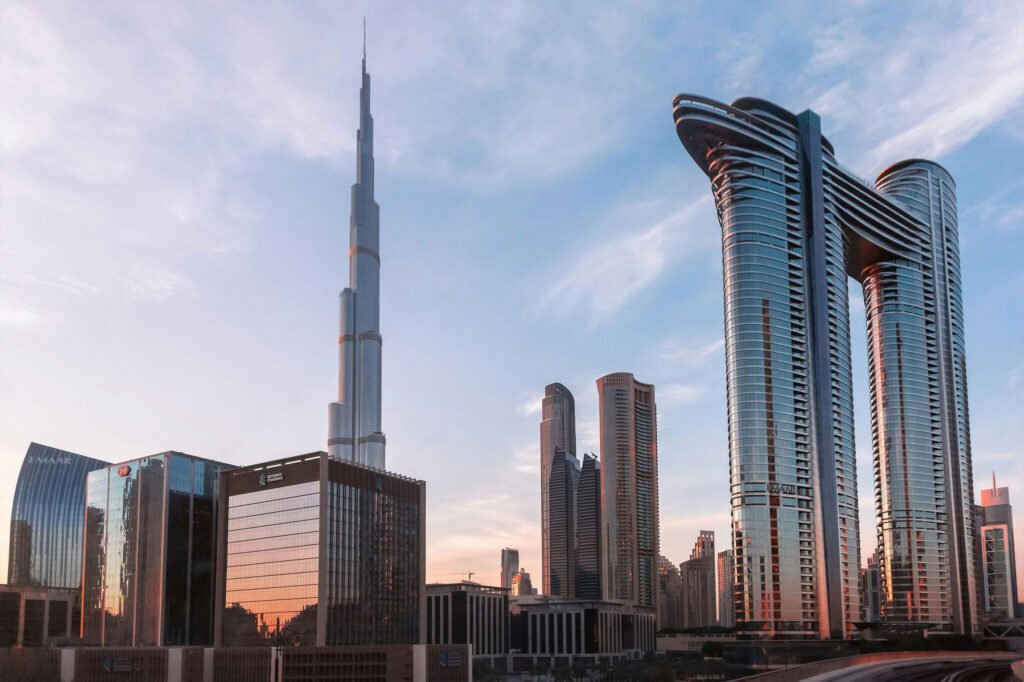
Global Wealth, Global Structures Many families today live and invest across borders. Children may reside in different countries, assets may span multiple markets, and obligations can stretch across legal systems. In this context, domestic-only solutions often fall short. International families use trust structures to bridge borders and secure control. Among the many available jurisdictions, Hong Kong stands out for its clarity, neutrality, and trust law strength. Why Hong Kong Over Other Options Unlike many onshore jurisdictions, Hong Kong does not impose forced heirship. There are no capital gains taxes within the trust. There is no public trust register. Trustees are professionally licensed, and the trust deed can be drafted with high flexibility. It combines the rule of law with cross-border neutrality. Scenario: A Family with Layers of Complexity A family business owner lives in Dubai. His wife is from Europe. Their children study in Asia. They own property in three countries and hold crypto assets, private shares, and conventional investment accounts. To streamline management, he sets up a Hong Kong trust. The trust deed includes flexible allocation triggers, jurisdiction-specific instructions, and digital asset protocols. The trustee acts under written terms to protect continuity even if the family relocates again. This prevents fragmented succession and reduces reliance on any one legal system. The Strategic Advantages of Hong Kong No public registry of trust ownership Common law structure with modern reforms No capital gains tax within trust structures Settlor powers and protector roles allowed Professional trustee services under TCSP licensing Families do not need to depend on secrecy, complex offshore setups, or workaround jurisdictions. A Hong Kong trust setup provides formal, recognised, cross-border tools. Choosing the Right Setup for Global Goals International families benefit from structuring early. It allows clarity, governance, and succession planning before pressure arises. A Hong Kong trust setup can include both traditional and digital assets, family governance logic, and long-term stewardship. The jurisdiction supports compliance without sacrificing control. Built for Complexity, Not Secrecy A Hong Kong trust setup is not not unusual or arcane. It is practical. Its strength lies in offering legal infrastructure that supports real-world family needs without relying on regulatory loopholes or secrecy. As families expand globally, so must their structures. Hong Kong offers tools to keep that growth aligned, organised, and future-ready.
Building Multi-Generational Control Through Trust Design

Long-Term Wealth Needs Long-Term Structure Founders and wealth creators often ask how much to pass on. But a better question is: how do you maintain control across generations? A Hong Kong family trust allows you to set rules, structure succession, and define oversight without relying on informal expectations. This goes beyond inheritance. It is about building governance into your family structure. Why Unstructured Wealth Fails Unplanned inheritance can lead to disputes, dilution, or disengagement. A Hong Kong family trust uses legal mechanisms to shape behaviour and keep values intact. These may include: Age-based or milestone-based access Veto or approval rights for protectors Participation clauses for future beneficiaries Dual-authority distributions or staggered unlocking Purpose clauses to preserve family vision This gives the settlor influence over how wealth is handled, without day-to-day interference. Scenario: A Founder Planning Beyond Wealth A Hong Kong-based founder has children living in different jurisdictions. Some are involved in the family business, others are not. He wants continuity, but not division. Instead of distributing assets, he places them in a Hong Kong family trust. The trust deed includes: A family council clause Allocations tied to education and involvement Oversight by an independent protector Staggered access across decades This keeps the structure alive, avoids direct ownership risks, and provides ongoing direction. What Makes Hong Kong Trusts Effective No perpetuity rule: trusts can last indefinitely Recognised protector powers Reserved settlor powers without losing structure Flexible deed drafting No capital gains tax within the trust Combined, these tools allow deep customisation and continuity. Control Through Clarity A trust is not just a transfer tool. It is a blueprint. Hong Kong family trusts enable decision-making logic to outlast the settlor, using neutral governance, written provisions, and long-term triggers. The trustee holds legal responsibility, and the protector ensures alignment. There is no need for conflict or micromanagement. Only structure, built with foresight. Governance That Lasts Founders do not just pass down money. They pass down values, goals, and risks. A Hong Kong family trust makes that legacy durable. It aligns intent with law, strategy with longevity, and family goals with future-proof control.
Why Asset Protection Isn’t Just for Litigation

The Misconception Around Asset Protection Many high-net-worth individuals associate asset protection with litigation, bankruptcy, or creditor threats. It is often viewed as a defensive move. However, asset protection is broader and more strategic. A well-structured trust does more than shield against lawsuits. It secures control, defines access, prevents forced succession outcomes, and creates legal distance from personal liabilities before any dispute occurs. Quiet Risks Beyond Courtrooms The most damaging threats to wealth are often legal, procedural, and slow. For example, they include: Frozen accounts during audits or investigations Conflicting inheritance claims across jurisdictions Family members gaining access through intestacy Regulatory inquiries triggered by ownership visibility Sudden incapacity without continuity plans These issues do not require conflict or wrongdoing. Instead, poor structuring alone is enough to trigger them. What Trust Structures Actually Do A Hong Kong trust legally separates the settlor from the assets. The trustee receives ownership and manages those assets based on a written trust deed. This deed outlines how and when beneficiaries may receive distributions. As a result, trust-held assets become insulated from personal issues such as incapacity, legal disputes, or shifts in jurisdiction. The trustee continues to act according to the deed, even when external circumstances change. Scenario: Protection Without Litigation A Dubai-based executive holds investment accounts across several countries. He has never faced a lawsuit. However, new disclosure rules are introduced in his home jurisdiction. Authorities flag and freeze his personal offshore accounts for review. Fortunately, his core wealth sits within a Hong Kong discretionary trust. Trustee-managed entities own the assets, not the executive himself. Therefore, enforcement actions do not apply. No litigation occurred, but the structure still preserved his access and control. How Hong Kong Trusts Safeguard Control Hong Kong trusts allow flexibility and structure. These features enable lasting oversight: Reserved powers let the settlor retain veto or appointment rights Protectors can supervise trustees or approve key decisions Discretionary terms prevent fixed entitlements and offer adaptability Multi-generational clauses keep the trust active across time Underlying entities hold property, shares, and accounts on behalf of the trust As a result, the trust functions without relying on personal ownership or post-crisis interventions. Why Legal Recognition Matters Hong Kong’s trust regime follows English common law. It allows flexible deed drafting, supports international assets, and imposes no capital gains tax on trust-held growth. In addition, it offers a regulated, enforceable legal environment. Families do not need to depend on secrecy, complex offshore setups, or loopholes. A Hong Kong trust is a transparent, enforceable option that provides continuity. Asset Protection as Forward Planning Asset protection is not just for people facing lawsuits or business failure. It is for anyone who values legal clarity, control, and continuity, especially before problems arise. A trust is not a shield used after the fact. Instead, it is a proactive structure built to preserve wealth, govern access, and protect your terms over time.
Why Hong Kong Trusts Remain Immune to Global Banking Risks

The Fragility Behind Modern Banking Even high-net-worth clients are not immune to the systemic vulnerabilities of global banking. Frozen accounts, politically motivated sanctions, unexpected insolvency events, or cross-border enforcement actions have made banking risks a growing concern for internationally exposed families. Bank deposits remain legally owned by the account holder. Therefore, if regulatory action targets an individual or entity, banks must comply, regardless of client profile or wealth level. The legal title remains attached to the individual’s name, exposing assets to seizure, disputes, or restrictions. Trust Law Creates Legal Separation Fortunately, a trust legally separates asset ownership from personal identity. Assets transferred into a properly structured trust are no longer held in the settlor’s name. Instead, trustees hold legal title and administer the assets for the benefit of named beneficiaries according to the trust deed. This legal distance prevents personal liabilities, regulatory actions, or disputes from directly affecting trust-held assets. As a result, even if an individual faces investigation or sanctions, properly drafted trusts remain operational and legally insulated. Why Hong Kong Trust Law Is Different Hong Kong operates under common law, with codified trust statutes that allow precise legal separation. Specifically: Assets inside a trust are not subject to the personal obligations of the settlor or beneficiaries. Trustees hold enforceable fiduciary duties, providing stable, professional asset management. No public trust registry exists, preserving confidentiality. The TCSP licensing regime ensures trustee service providers are regulated and accountable. Unlike jurisdictions that rely on secrecy or weak regulation, Hong Kong’s model combines enforceability with professional oversight. Consequently, both legal and reputational risks are reduced. Scenario: Avoiding Banking Disruption Consider a Dubai-based investor who holds significant international assets, including accounts in multiple financial centres. He faces unexpected political pressure in one jurisdiction, leading to frozen personal bank accounts. However, his core investment holdings—real estate, securities, and digital assets—are held through a Hong Kong trust structure under trustee-managed corporate entities. As a result, these assets remain unaffected, as they are not legally tied to his personal identity. The trust’s independence preserves continuity and access despite the banking crisis. Assets Commonly Shielded Inside Hong Kong Trusts Global real estate portfolios Private banking accounts via underlying companies Investment funds and securities Crypto wallets and digital assets Private equity and venture capital interests Family operating businesses The trust framework transforms personally exposed wealth into legally protected holdings governed by enforceable fiduciary arrangements. Preserving Access Beyond the Banking System Banking systems operate within national frameworks that remain vulnerable to political, financial, or legal shocks. Fortunately, Hong Kong trusts, governed by independent legal principles, provide HNW families with true asset segregation, cross-border security, and continuity regardless of personal events or jurisdictional disputes.
How Hong Kong Trusts Simplify Cross-Border Succession Planning

The Cross-Border Inheritance Dilemma High-net-worth families increasingly hold assets, businesses, and property across multiple jurisdictions. As a result, when it comes to succession, this creates complex legal exposure. Different countries apply conflicting inheritance laws, forced heirship rules, or tax obligations that may override personal wishes. Standard wills often fail to address cross-border scenarios effectively. Consequently, assets located abroad may trigger unexpected legal challenges, probate delays, or forced distribution patterns under foreign law. Forced Heirship and Jurisdictional Conflict In some countries, forced heirship laws dictate mandatory shares for certain heirs, regardless of the settlor’s wishes. Furthermore, Sharia-based jurisdictions apply their own inheritance formulas. Tax authorities may impose inheritance or estate taxes on foreign-held property. Without careful planning, wealth intended for designated beneficiaries may be diluted, contested, or diverted by local statutes. In many cases, this leads to court disputes or significant tax leakage. How Hong Kong Trusts Centralise Succession Logic Fortunately, a properly structured Hong Kong trust allows settlors to bypass conflicting national rules by placing all targeted assets under a single legal structure governed by common law principles: Trust assets are held outside the personal estate. The trust deed defines who receives assets, when, and under what conditions. Probate processes are avoided entirely for trust-held assets. Beneficiaries receive distributions according to pre-agreed instructions, not government formulas. By isolating assets within a Hong Kong trust, families centralise control and simplify succession, regardless of where heirs or assets are physically located. Scenario: Dubai Family with Global Exposure Consider a Dubai-based entrepreneur who holds property in London, business interests in Singapore, investment accounts in Switzerland, and children studying in multiple countries. He creates a Hong Kong trust, transferring international holdings into trustee-managed entities. When the settlor passes, the trustee distributes assets according to the terms of the trust deed. Therefore, UK inheritance tax, forced heirship claims, or cross-border probate conflicts do not interfere. The structure creates seamless, private wealth transition across generations. Role of Trustees in Cross-Border Coordination Hong Kong trustees manage: Legal title across multiple jurisdictions Tax compliance in host countries Distribution logistics based on beneficiary residence Communication with global tax advisors, legal counsel, and family offices As a result, their professional obligations ensure that even complex, multi-country holdings can be administered smoothly under a single structure. Unifying Global Succession Under One Structure For globally mobile families, fragmented inheritance laws create legal minefields. Hong Kong trusts consolidate wealth into a single, enforceable legal framework. Therefore, jurisdictional conflicts are overridden, probate is eliminated, and family wealth transfer proceeds according to precise instructions — globally, across generations.
WEB3 High-Value Assets in Hong Kong: Security & Compliance Seminar a Success
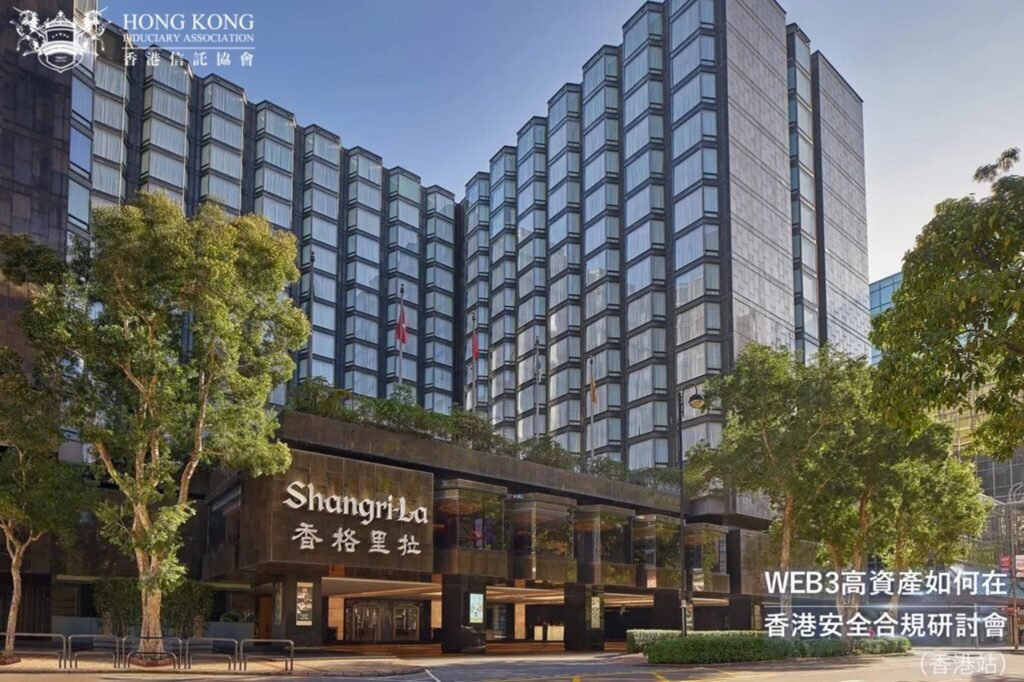
On 13 June 2025, the “Seminar on How WEB3 High-Value Assets Can Achieve Security and Compliance in Hong Kong (Hong Kong Session)” was successfully held at the Kowloon Shangri-La Hotel in Hong Kong. Organised by the Hong Kong Fiduciary Association Limited, the seminar received strong support from partners including Hong Kong Trust Capital Management Limited, Inheritance Asset Management Limited, Hong Kong Enterprises Association Limited, HKTWeb3, and Pearl Technology Group (HK) Limited. Numerous WEB3 industry professionals from both local and overseas markets gathered at the Shangri-La to explore the path of compliance and development within the sector. The seminar featured both keynote presentations and open discussions. The keynote session was honoured to have Mr. Keith Chan, Business Development Director of Inheritance Asset Management Limited, and Mr. Melvin Mui, Chief Operating Officer of Hong Kong Trust Capital Management Limited, deliver in-depth analyses on Hong Kong’s WEB3 policies and the future development of the industry. Mr. Keith Chan commenced with an in-depth presentation titled “Hong Kong WEB3 Market Analysis and Outlook.” With his unique and sharp industry perspective, Mr. Chan systematically reviewed the development trajectory, notable achievements, and potential opportunities of the WEB3 industry in Hong Kong. He also conducted a thorough analysis of current challenges and future trends, providing participants with valuable and forward-looking insights. Following this, Mr. Melvin Mui addressed the crucial topic of how WEB3 assets can achieve compliant implementation in Hong Kong. Drawing upon his extensive experience in the trust sector, Mr. Mui explained, through professional frameworks and practical case studies, the vital role of trust structures in enabling WEB3 users to securely manage virtual assets. Mr. Mui elaborated on how trust mechanisms provide reliable security protection for WEB3 assets. He further discussed how trust arrangements facilitate the orderly inheritance of virtual assets, as well as their practical application in daily transactions. His insights offered new perspectives for virtual asset management and valuable references for the compliance development of the industry. After the seminar, the organiser arranged a refined and diverse tea break, allowing guests to continue networking and exchanging ideas in a relaxed atmosphere, thereby further expanding professional networks and strengthening relationships. As a leading global financial centre and an international hub for innovation, technology, and culture, Hong Kong is becoming a strategic location for the compliant establishment of global WEB3 projects, supported by forward-looking policies and a highly competitive tax regime. The “Seminar on How WEB3 High-Value Assets Can Achieve Security and Compliance in Hong Kong”, organised by the Hong Kong Fiduciary Association Limited, will continue to bring together authoritative experts and seasoned practitioners in the WEB3 sector to focus on core issues of compliance for WEB3 projects operating in Hong Kong. Future sessions will explore critical topics such as the innovative integration of trust structures with the WEB3 ecosystem, comprehensive security and compliance implementation strategies, and the development of practical solutions combining policy compliance with commercial feasibility. These discussions aim to support individual investors and enterprises in building a new paradigm for WEB3 development on Hong Kong’s international stage.
Investment Strategies for Young Professionals: Wealth Creation and Protection Seminar at Sunway University
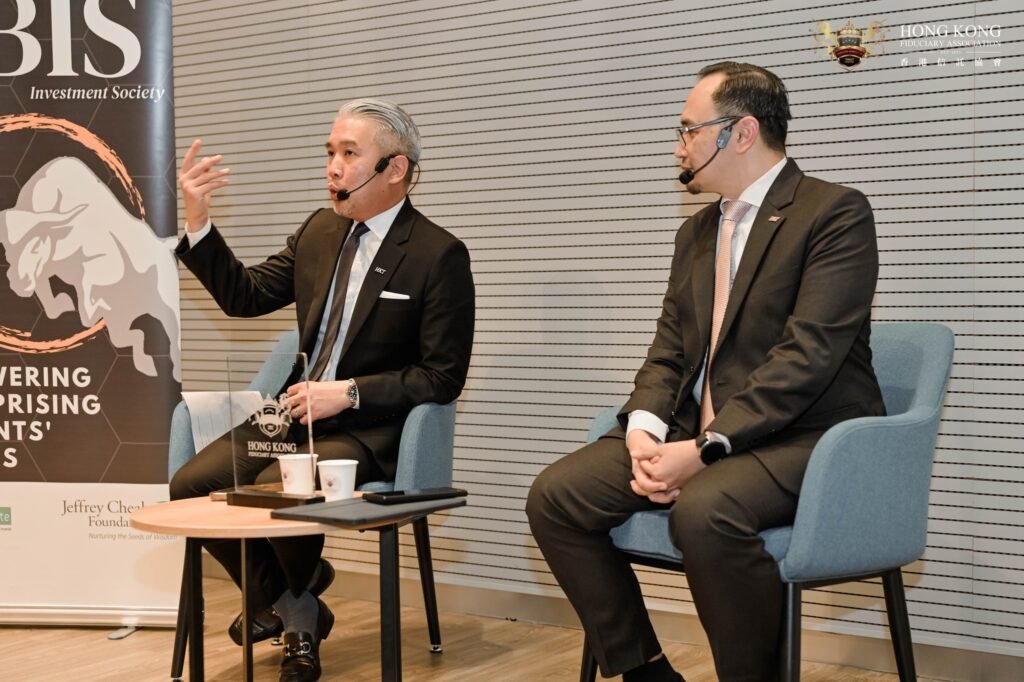
The Hong Kong Fiduciary Association was honoured to once again collaborate with the Sunway Business Investment Society in hosting a workshop designed to equip university students with essential knowledge in investment and financial planning, laying a strong foundation for their future development. Mr Mong Chung Chee and Mr Izam Bin Mispardi were invited as guest speakers, sharing expert insights on key topics such as investment strategies and wealth management. Drawing on their professional experience, both speakers offered practical, actionable advice tailored for young individuals. During the interactive session, students actively posed questions and engaged in discussions, reflecting their growing interest and awareness in personal financial planning. Thanks to the support of all participants, the event was successfully held.The Hong Kong Fiduciary Association remains committed to promoting financial education and empowering young people with the knowledge to grow and manage their wealth with confidence.
Family Office vs Trust: Which Structure Protects High Net-Worth Wealth Better?

Clarifying Two Distinct Concepts High-net-worth individuals often hear both terms — family office and trust — yet these serve fundamentally different roles in wealth management. Therefore, understanding the distinction is essential for building an effective long-term protection strategy. A trust is a legal ownership structure. A family office is an operational management structure. In most advanced cases, they serve complementary but separate functions. Asset Ownership vs Wealth Management A trust legally separates ownership from personal identity. Once assets are placed inside a trust, they are no longer held directly by the individual. Legal title passes to a trustee, who manages assets for the benefit of named beneficiaries under the trust deed. In contrast, a family office provides administrative, investment, and advisory services. For example, it handles tasks such as: Portfolio management Tax reporting Family governance support Lifestyle management and concierge services Philanthropy administration However, a family office does not provide legal asset protection unless paired with a suitable ownership structure. Which Risks Require Legal Trust Structures Without a trust, personally owned assets remain exposed to: Legal disputes and creditor claims Forced heirship or inheritance challenges Tax authorities in multiple jurisdictions Cross-border probate delays Political or regulatory action A trust creates legal insulation. Meanwhile, family offices, while valuable, cannot shield assets from legal claims or jurisdictional conflicts on their own. How Family Offices Operate Within Trusts Many sophisticated families combine both structures: The trust holds legal ownership of assets. The family office operates under the trustee or alongside trustees, executing administrative functions. The trustee remains responsible for legal compliance and distributions. The family office supports daily financial operations, reporting, and family coordination. As a result, this combination allows families to retain personalised management while benefiting from legal separation and enforceability. Scenario: Dubai HNWI with Complex Family Holdings Consider a Dubai-based business owner who operates several companies across Asia, Europe, and North America. He creates a Hong Kong trust, transferring ownership of company shares, investment accounts, and property holdings into the trust. Alongside this, he establishes a single-family office to handle financial reporting, manage philanthropic projects, and coordinate tax advisors across multiple jurisdictions. Consequently, the trustee focuses on legal oversight, while the family office handles daily administration, with both roles defined by the trust deed. Combining Governance with Legal Control Family offices optimise wealth management. Trusts protect wealth ownership. Therefore, for serious HNW wealth preservation, combining a Hong Kong trust with a professional family office structure delivers both legal protection and operational efficiency. Without trust-backed ownership, even the most well-run family office remains exposed to jurisdictional risk.
How to Register a Trust in Hong Kong: Guide for Dubai Residents

What Is a Trust? A trust is a legal structure where assets are transferred to a trustee, who holds and manages them on behalf of beneficiaries. Often used in estate planning and wealth structuring, it allows the settlor to control how and when assets are distributed. For a full definition of a trust, the concept has long been used in common law jurisdictions to preserve privacy, protect assets from disputes, and avoid delays in inheritance processes. Why People Register Trusts Whether you’re building a family legacy or safeguarding international holdings, trust structures offer flexibility and long-term control. Common reasons for setting up a trust for expats include: Protecting assets from litigation or forced heirship Managing inheritance discreetly Planning for dependants with special needs Holding international property or business shares Supporting cross-border succession goals These motivations are especially relevant for individuals in Dubai whose lives and assets span multiple jurisdictions. Trust Registration in Dubai: Limited but Growing In the UAE, trust registration is still relatively niche. While frameworks exist in zones like DIFC and ADGM, the concept remains unfamiliar to many residents. Most UAE-based individuals exploring wealth protection eventually look offshore — favouring common law trust jurisdictions that offer predictability and discretion. Comparing these options requires understanding what each jurisdiction allows in terms of flexibility, control, and enforcement. While the UAE has made progress, the maturity of other regions can be compelling. Why Consider Offshore Trust Setup in Hong Kong? Hong Kong remains a preferred jurisdiction for offshore trust setup thanks to its legal clarity, infrastructure, and global neutrality. It operates under English common law, which is widely recognised and enforced. The legal structure of trusts in Hong Kong allows for modern, purpose-built planning. As a financial hub, it supports cross-border banking, regulated trustees, and long-term asset management. Trust registration in Hong Kong is straightforward, private, and supported by a well-established ecosystem. Who Uses This? For example, a Dubai-based business owner with overseas property and children living in different countries might register a Hong Kong trust to consolidate holdings, ensure clarity in distribution, and avoid local court involvement. The trust would allow controlled access to assets, managed by professionals, regardless of where the family relocates. What Can a Trust Hold? Trusts can be structured to include: Shares in private companies Overseas real estate Investment portfolios Digital assets such as crypto Reserved income for dependants or spouses Life insurance proceeds These are managed by appointed trustee services in Hong Kong, who act according to the terms of the trust deed while ensuring compliance and safeguarding. Trustee Services in Hong Kong Registered trust companies provide trustee services in Hong Kong. These firms administer assets, execute distributions, and ensure alignment with both settlor intent and evolving regulations. Licensed professionals are required to comply with Hong Kong’s Trust and Company Service Provider (TCSP) licensing regime, which adds a layer of protection for clients. Their role ensures that once the trust is established, it operates securely, efficiently, and without unnecessary exposure. Final Thoughts Registering a trust isn’t just about tax or inheritance. It’s about defining your terms — who benefits, when, and how — with legal precision. For Dubai residents who value long-term control, international flexibility, and privacy, offshore trust setup in Hong Kong provides a clear, proven path. As families grow, assets spread, and obligations become more complex, using a trust structure for wealth protection becomes not just smart — but essential. Creating a trust is increasingly seen as a foundational wealth planning strategy. It lets you manage tomorrow’s complexity, today — from anywhere.